
Bajri price in Pakistan Today | Updated Rate
In Pakistan, bajri generally costs between Rs. 120 and Rs. 130 per cubic foot, though the exact rate can shift depending on the type, quality, and where it’s purchased. Changes in fuel prices, transportation expenses, and seasonal demand often influence the market, so keeping an eye on the latest rates can save both time and money.
Bajri plays a vital role in making strong concrete, laying solid foundations, and building durable roads. From small home renovations to massive construction projects, it’s a must-have material that adds strength and stability to any structure.
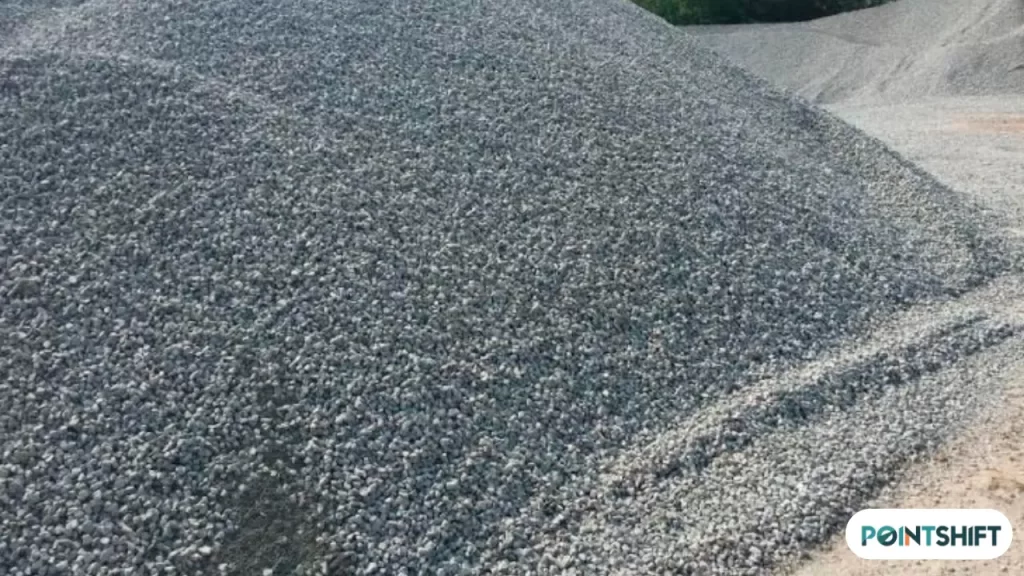
Bajri price in Pakistan
This cost varies by city and the type of bajri you choose Margalla, Sargodha, or Dina. Factors like fuel prices, transportation distance, and market demand also play a big role in these fluctuations.
| Bajri Types | Size | Unit | Price |
|---|---|---|---|
| Sargodha Bajri | 3 soter | 200 Cubic Feet ( Trolly ) | RS. 25,000 |
| Margalla Bajri | 2 soter | 200 Cubic Feet ( Trolly ) | Rs. 26,000 |
| Sargodha Bajri | 2 soter | 900 Cubic Feet (Damper) | RS. 108,000 |
| Margalla Bajri | 3 soter | 900 Cubic Feet (Damper) | RS. 121,500 |
| Sargodha Bajri | 3 soter | 1 cubic feet | RS. 125 |
| Margalla Bajri | 2 soter | 1 cubic feet | Rs. 130 |
| Sargodha Bajri | 3 soter | 900 Cubic Feet (Damper) | RS. 112,500 |
| Margalla Bajri | 3 soter | 1 cubic feet | RS. 135 |
| Sargodha Bajri | 2 soter | 1 cubic feet | RS. 120 |
| Margalla Bajri | 2 soter | 900 Cubic Feet (Damper) | RS. 117,000 |
| Sargodha Bajri | 2 soter | 200 Cubic Feet ( Trolly ) | RS. 24,000 |
| Margalla Bajri | 3 soter | 200 Cubic Feet ( Trolly ) | Rs. 27,000 |
Factors Affecting Bajri Prices in Pakistan
- Government taxes or restrictions: Extra charges or bans on quarry operations can push bajri prices higher.
- Distance from source/quarry: Longer distances mean higher prices.
- Type and quality of bajri: Margalla bajri usually costs more compared to Sargodha or Dina because of its higher strength and durability.
- Construction season: Demand spikes in dry weather increase prices.
- Government taxes or restrictions: New levies or quarry bans raise costs.
- Availability and supply chain issues: Strikes, floods, or roadblocks disrupt supply.
Prons and Cons of Bajri Price
Pros
- Bajri is more affordable than many other construction aggregates.
- Easily available locally, reducing supply chain issues.
- Bulk purchases (trolley/damper) often give better per-unit rates.
- Prices are generally stable, making budgeting easier.
- Different size options (e.g., 2 soter, 3 soter) suit various construction needs.
Cons
- Prices can rise during peak construction seasons.
- Transportation costs can increase total expenses depending on location.
- Lower-quality Bajri may contain dust or impurities.
- Limited price negotiation controlled by suppliers and quarry owners.
- Unexpected price hikes can raise overall project costs.
Popular Bajri Brands in Pakistan
- Maalla Crush
- Sargodha Crush
- Dina Bajri
- Taxila Bajri
- Local/Private Quarries
Overall Conclusion
Bajri might look like simple crushed stones, but it’s the backbone of strong and lasting construction in Pakistan. With prices ranging from Rs. 120 to Rs. 130 per cubic foot, knowing what you’re paying for makes all the difference.
Always check the type, quality, and source before buying to avoid costly mistakes. Staying updated on market rates helps you make smart, budget-friendly decisions for any construction project.
Frequently Asked Questions (FAQs)
Bajri prices typically range between Rs. 120 to Rs. 130 per cubic foot, depending on the city and type.
Margalla bajri is considered the strongest and most reliable for home foundations and concrete work.
Transportation costs, fuel prices, and distance from quarries influence local rates.
Yes, many suppliers offer online or phone orders with home delivery services in major cities.
Look for clean, uniform-sized stones with minimal dust and no clay or moisture for best results.


