Flour Price in Pakistan Today | Updated Atta Rates
Flour is the backbone of every Pakistani household, and its price matters for everyone. In 2025, the flour price in Pakistan ranges between Rs. 60 to Rs. 120 per kilogram, based on type and quality. Even a small rise in cost can put extra pressure on monthly budgets.
Beyond numbers, flour prices highlight the bigger picture of food security in the country.Whether in metropolitan areas such as Lahore and Karachi or in small countryside towns, the need for flour remains constant. That’s why staying updated with current rates is important for families and businesses alike.
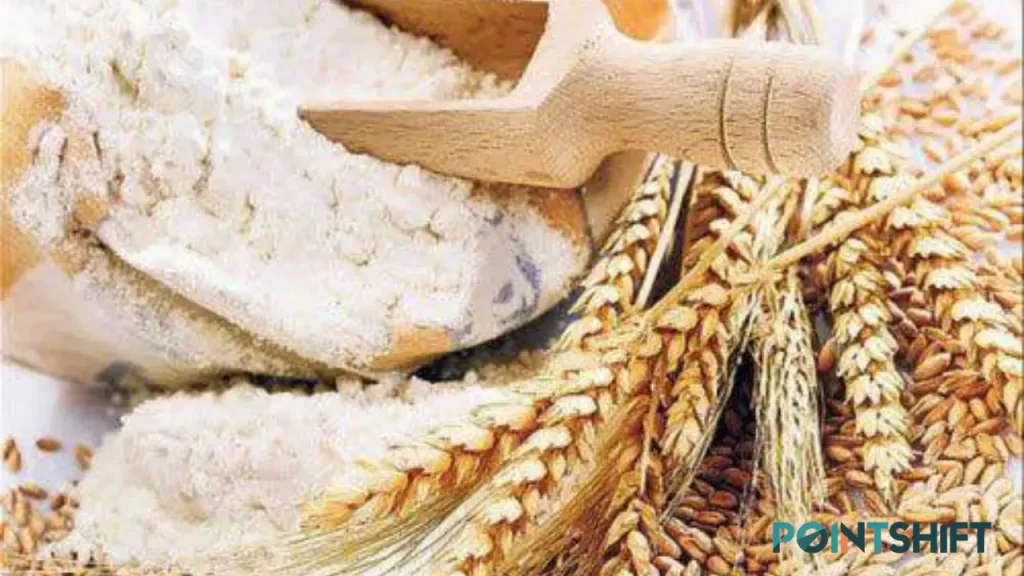
Also see: Wheat (گندم) Price in Pakistan
Flour Price in Pakistan
The cost of wheat flour in 2025 varies across different regions and qualities, making it a concern for every household. Since it is a staple in daily meals, even slight changes in its rate create a noticeable impact on family expenses.
| Quantity (kg) | Price (Rs) |
|---|---|
| 1 | 100 |
| 5 | 500 |
| 10 | 1,000 |
| 20 | 2,000 |
| 40 | 4,000 |
| 50 | 5,000 |
Flour Price in Different cities
As of October 2025, a 20 kg bag of wheat flour in major Pakistani cities costs Rs. 2,400–2,500 due to market factors.
| City | Price per 40 kg (PKR) |
|---|---|
| Karachi | Rs. 4,700 |
| Lahore | Rs. 4,450 |
| Islamabad | Rs. 2,900–3,000 |
| Multan | Rs. 4,400–4,600 |
| Faisalabad | Rs. 4,350–4,550 |
| Rawalpindi | Rs. 8,800 per 100 kg |
| Sargodha | Rs. 8,000 per 100 kg |
| Dera Ismail Khan | Rs. 3,560–3,700 |
| Mardan | Rs. 3,570–3,700 |
| Quetta | Rs. 3,430–3,760 |
| Sibi | Rs. 3,450–3,750 |
| Azad Kashmir | Rs. 2,000 per 40 kg |
Best Supplier in Pakistan
- Sunridge Foods
- Ashrafi Foods
- Bake Parlour
- Mezan Foods
- Anaaj Atta
- Shandar Atta
- Punjab Flour Mills
- National Flour Mills
Factors Affecting Flour Prices in Pakistan
- Wheat Production: A good harvest keeps rates stable, while a poor yield leads to shortages and higher costs.
- Transportation Costs: Rising fuel prices increase the expense of moving wheat from farms to mills and markets.
- Government Policies: Subsidies, taxes, and import decisions directly impact flour affordability.
- Global Market Trends: International wheat prices and imports influence local market stability.
- Storage and Distribution: Poor storage facilities and weak supply chains often cause artificial shortages.
- Role of Middlemen: Hoarding and speculation by traders can push prices up suddenly.
- Climate Conditions: Floods, droughts, or unexpected weather changes affect wheat supply and ultimately prices.
Also see: Cotton Price in Pakistan
Overall Conclusion
The cost of wheat flour is a major concern for every household in Pakistan, as it directly impacts daily meals. Frequent changes in rates due to supply issues, fuel costs, and global markets make it harder for families to manage budgets.
To control this, the government needs to focus on higher wheat production, better storage, and effective subsidies. Consumers, on the other hand, can cope by planning purchases wisely and staying updated on market trends.
Frequently Asked Questions (FAQs)
The average cost varies across cities and regions, generally falling within a moderate range depending on quality and brand.
It changes due to factors like wheat production, fuel prices, government policies, and even global wheat market trends.
Most cities in Punjab, such as Lahore and Faisalabad, usually have lower rates because the province is the main wheat producer.
Branded flour is often cleaner and more consistent in quality, while local chakki flour is fresher and sometimes considered healthier.
Buying in bulk, choosing local mills, and keeping track of market updates or government subsidy schemes can help reduce costs.